Screen based Eye Trackers

LogicOne

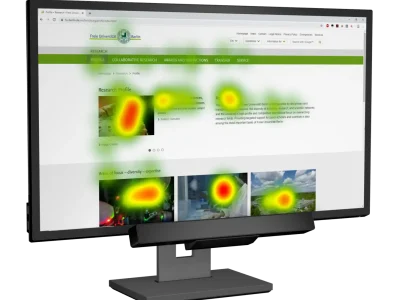
Research-grade 250 Hz eye tracker for fixation and saccade analysis. Captures rapid eye movements and gaze dynamics. Non-intrusive screen-based setup with reliable data quality for psychology and neuroscience research.

Lite

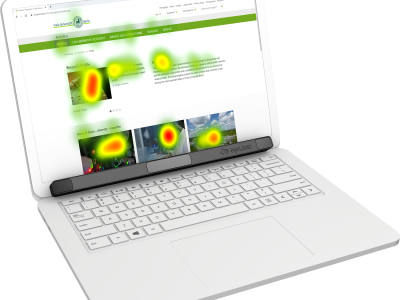
Portable research-grade screen-based eye tracker for lab or field use, with sampling rates up to 120 Hz. Compact, lightweight, and easy to set up, it delivers reliable visual behavior data even on laptops — ideal for flexible, efficient lab or mobile research.

Key benefits

EyeLogic specializes in the development of high-end eye-tracking solutions for behavioral research. Our screen based eye trackers combine research-grade performance with state-of-the-art accuracy and precision, delivering reliable results in both laboratory and real-world environments. Both devices feature automatic setup for fast and effortless operation. Engineered for robustness and long-term stability, they provide performance researchers can depend on. Integration is highly flexible, with support for the EyeLogic SDK, 3rd tools, InsightLab software, and optional native SMI software integration.
Eye Tracking Applications and Use Cases

Neuro science

Eye tracking is a powerful tool in neuroscience because it offers a non-invasive measure of visual attention, and information processing. With high temporal precision, it supports research on perception, cognition, and brain–behavior relationships.

Psychology

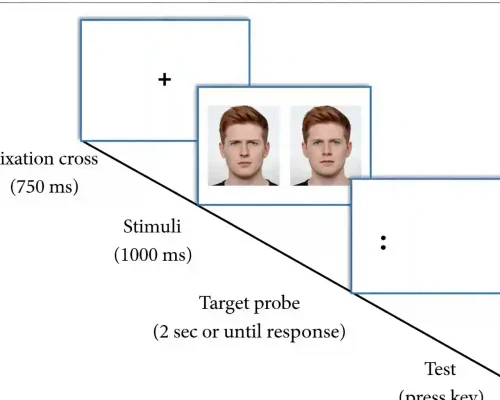
Eye tracking is a valuable tool in psychology because it shows what captures attention, and how visual information is processed. It supports research on perception, emotion, decision-making, and social behavior in a direct, non-invasive way.

Reading analysis

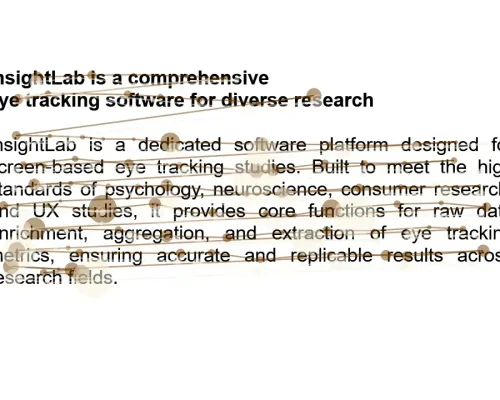
Eye tracking is highly valuable in reading and language research because it reveals how readers move through text. By measuring fixations, saccades, and regressions, it helps study word recognition, sentence processing, fluency, comprehension, and cognitive effort.

Developmental psychology

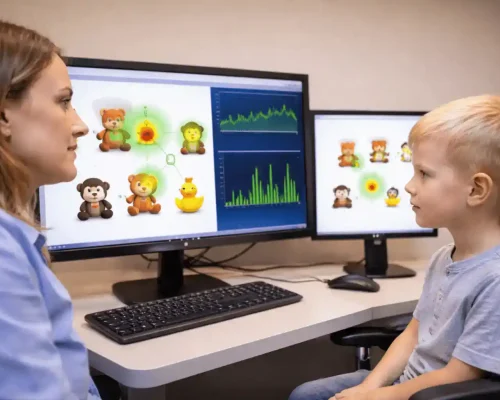
Eye tracking is highly valuable in developmental psychology because it enables non-invasive study of attention, and perception. It is especially useful with infants and children, providing objective behavioral data without verbal responses.

Market research

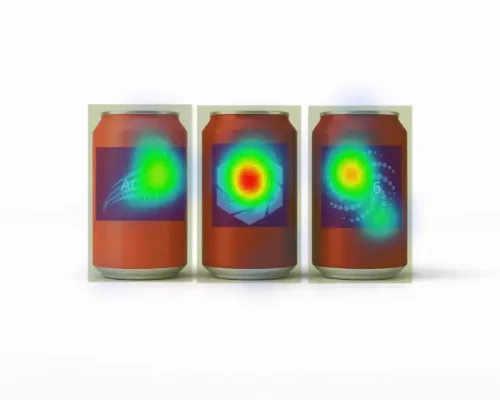
Eye tracking is a standard tool in market research because it shows what captures consumer attention and how visual content is processed. It helps evaluate packaging, ads, and websites, enabling data-driven design decisions to  improve engagement.

Usability research

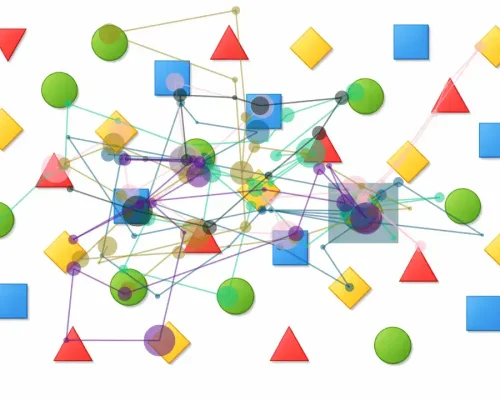
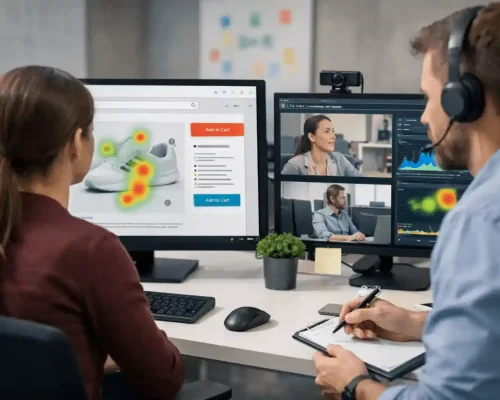
Eye tracking is highly valuable in usability research because it reveals what attracts attention, and where confusion occurs. By showing gaze patterns and missed elements, it helps evaluate interfaces objectively and improve navigation, and user experience.

Pair our screen based eye tracker InsightLab
to gain insights into human behavior

Optimize your research-grade screen based eye tracker with InsightLab, our powerful software suite designed to support every stage of your experimental workflow. Tailored for both qualitative and quantitative analysis, InsightLab provides uncompromised data handling, allowing you to extract key metrics for individual participants, subgroups, and entire populations. Customizable visualizations allow for easy data analysis, streamlining your research process and delivering clear insights into human behavior.

Frequently asked questions

For additional information, send us a contact request.

Yes. EyeLogic focuses exclusively on eye-tracking solutions for academic research. All screen based eye trackers are designed for behavioral, cognitive, and psychological studies and are well suited for applications such as visual attention, reading, and usability research. They also integrate seamlessly with InsightLab for experimental design and analysis as well as other 3rd party experimental software tools. Thanks to their low and reliable latency, they are particularly well suited for synchronization with other biometric sensors.

Yes. The examples shown represent only a small selection of possible applications. Our  screen based eye trackers are suitable for a wide variety of screen-based research scenarios. With low and reliable latency, they are especially well suited for gaze-contingent experiments, real-time interaction, and multimodal synchronization.

Our screen based eye trackers are built to meet the performance standards expected from state-of-the-art systems. To ensure the right fit for your research, we are happy to discuss your specific requirements and expectations in detail. In most cases, we also offer a free trial, dedicated support, and comprehensive onboarding, giving you the opportunity to evaluate the device thoroughly in your own environment.

No. Our screen based eye trackers use the same clear and easy-to-integrate eye tracking API. Once you have created an experiment for one screen-based eye tracker, it can be used seamlessly with our other screen-based devices as well.